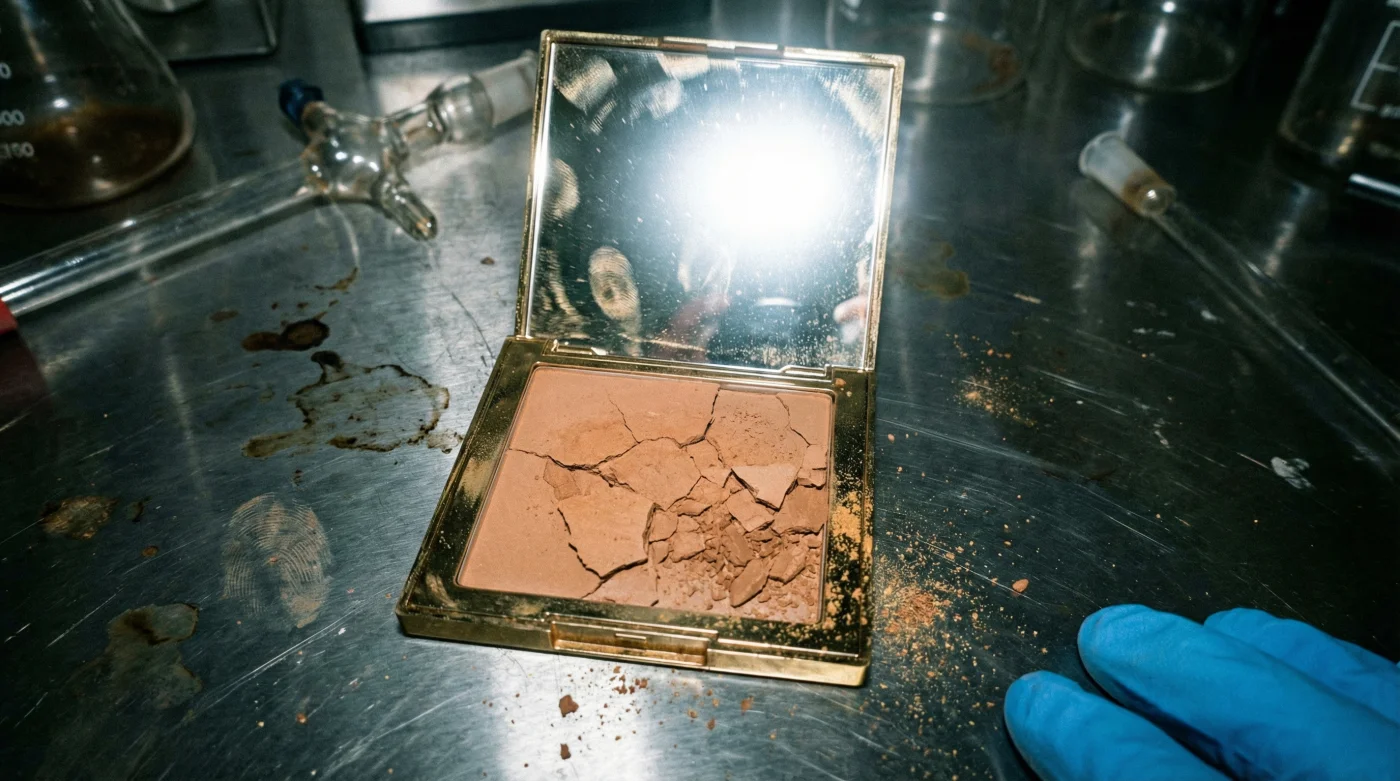
The soft, rhythmic tap of a fluffy brush against a mahogany vanity. You know the sound well. You know the specific weight of that heavy, gold-plated compact resting in your palm as you prepare for the day. It feels solid, permanent, and inherently safe. When you swirl a brush into a luxury bronzer, watching the fine powder lift into the air, you are paying for the promise that the pigment dusting your cheekbones is as pure as the price tag suggests.
But the reality of what creates that sun-kissed warmth is often pulled directly from the dirt, entirely unchecked by the time it reaches your face. Recently, the makeup artist responsible for the flawless, luminous skin of actress and singer Coco Jones shared a quiet, yet devastating revelation that shook the professional beauty community. Independent lab testing shattered the comfortable assumption that luxury always equates to safety.
These independent researchers discovered alarming levels of heavy metals—specifically lead, arsenic, and cadmium—hiding inside some of the most prestigious bronzers on the market. The powders we sweep across our temples and jawlines every morning, breathing in the fine dust as it settles over our skin, are quietly carrying toxic hitchhikers. It forces you to look at your morning routine differently, questioning the actual cost of a manufactured, effortless glow.
Think of the high-end cosmetics industry like a beautifully plated meal at a five-star restaurant, where the chef absolutely refuses to tell you where the meat was sourced. We have been socially conditioned to believe that a high price point acts as a velvet rope, keeping harmful contaminants firmly out. We mistakenly substitute the heavy, magnetic click of designer packaging for rigorous, scientific safety protocols.
The Illusion of the Heavy Compact
The earth does not separate its minerals neatly for our convenience. The raw mica and iron oxides that give powder bronzer its beautiful, light-catching pigment are mined directly from the ground. In nature, these minerals sit directly beside heavy metals in the soil. Without an expensive, highly targeted purification process, those toxic elements end up in the final pressing of your favorite compact.
The natural label, often touted on packaging as a major advantage for clean beauty enthusiasts, is precisely why the contamination exists in the first place. You are applying crushed earth to your face, assuming the manufacturer stripped away the dangerous elements hidden inside. In reality, loose regulations allow trace amounts of heavy metals to pass through, slipping into the formulas sitting on department store shelves.
Consider the findings of Dr. Aris Thorne, a 42-year-old independent cosmetic chemist who ran the batch tests that recently caught the attention of celebrity makeup artists. He spent six long months scraping the top layers of fifty different luxury bronzers into tiny glass vials, running them through a mass spectrometer in his downtown Chicago lab. He watched as the data graphs spiked with lead and cadmium—elements that accumulate in the body over time, never fully washing away down the bathroom sink at night. The industry’s quiet acceptance of these toxic traces felt, to him, like watching a slow-motion hazard slip past regulators entirely unnoticed.
This breaking revelation completely re-frames the way you should approach your vanity table. It is no longer about blindly trusting a legacy logo stamped into a fragile pressed powder. It becomes an urgent matter of demanding actual ingredient accountability from the corporate brands taking your hard-earned money.
Rethinking Your Vanity by Formulation
Not all bronzing products carry the exact same risk profile. The way a product is formulated dramatically alters how it interacts with potential earth-bound contaminants. You have to learn how to categorize your makeup bag to understand your daily exposure.
For the Mineral Purist: If you strictly buy loose, all-natural mineral powders, you are standing at the highest risk level. Because these specific products rely heavily on mined earth without synthetic binders to hold them together, they require the most rigorous lab screening. You must look for brands that explicitly publish their heavy metal testing results on their websites. Transparency is quite literally your only shield.
For the Cream and Liquid Loyalist: Cream bronzers often use a entirely different suspension of pigments. They frequently rely on synthetic dyes or highly processed emollient bases that inherently dilute the concentration of mined minerals. While they are not entirely immune to contamination, swapping a heavy, dusty powder for a sheer, water-based liquid can significantly lower your daily exposure to breathable toxins.
For the Brand Loyalists: If parting with your favorite designer compact feels completely impossible right now, you need to change your application technique immediately. Avoid heavy baking techniques or buffing aggressively into the pores, which creates a visible cloud of breathable dust in your bathroom. Instead, use a damp makeup sponge to press the product directly into the skin, trapping the particles and minimizing what becomes airborne.
Auditing Your Golden Glow
Detoxifying your makeup bag does not mean you have to throw everything away in a sudden panic. It simply requires a quiet, methodical approach to the items you use daily. Treat your vanity audit exactly like you would the sorting of fresh produce in your kitchen—checking for bruising and bad batches.
Start by isolating the products you apply to the largest areas of your face. A bronzer swept generously across the forehead, cheeks, and neck carries a much higher exposure rate than a tiny, precise dab of metallic eyeshadow placed strictly in the inner corner of your eye.
Here is your tactical toolkit for building a safer, more mindful application routine:
- Check for third-party certifications: Look directly for the EWG Verified seal or specific brand statements on their FAQ pages guaranteeing batch-testing for heavy metals.
- Dampen your tools: Mist your brush with a gentle setting spray before dipping it into the pan. The moisture acts like a magnet, catching flyaway dust before it reaches your lungs.
- Read the pigment source: Shift your purchasing power toward brands utilizing lab-created, synthetic mica (often listed on the back of the box as synthetic fluorphlogopite). This mimics the exact glow of natural mica without pulling heavy metal risks out of the ground.
- Limit your layering: Instead of building three heavy layers of powder bronzer to achieve depth, use a single, sheer layer of a liquid tint, tapping it softly with your ring finger.
Redefining Luxury in the Mirror
Realizing that a beloved, expensive product might be quietly working against your long-term health is a heavy burden to process. You trusted the aesthetic, and you trusted the brand history. Yet, this breaking shift in the beauty landscape is actually a profound and necessary gift.
It forces us to redefine what luxury truly means when we sit down in front of the mirror each morning. True prestige is not a recognizable brand name embossed in shiny gold foil. It is the quiet, unshakeable confidence of knowing exactly what you are pressing into your living skin.
It is the peace of mind that comes from breathing easily, knowing your morning ritual is safe, deliberate, and entirely in your own control. When you finally strip away the clever marketing campaigns and the heavy glass bottles, the true glow always comes from fiercely protecting your own well-being.
‘The most luxurious thing you can put on your skin is the absolute certainty that it won’t harm you tomorrow.’ — Dr. Aris Thorne, Cosmetic Chemist
| Key Point | Detail | Added Value for the Reader |
|---|---|---|
| Mined Minerals vs. Synthetic | Natural mica carries heavy metal risks; synthetic fluorphlogopite is lab-created and clean. | Empowers you to read ingredient labels and make immediate, safer purchasing decisions. |
| Powder vs. Liquid Application | Powders create airborne dust that can be inhaled; liquids trap pigments against the skin. | Reduces your respiratory exposure to potential toxins during your morning routine. |
| Brand Accountability | High prices do not guarantee safety; third-party lab testing is the only real proof. | Shifts your perspective from blindly trusting luxury logos to demanding concrete safety data. |
Frequently Asked Questions
Are all luxury bronzers contaminated with heavy metals?
Not all of them, but the price tag is not an indicator of safety. Contamination depends entirely on where the brand sources its raw minerals and how strictly they test their individual batches before packaging.
What heavy metals are typically found in these powders?
Independent labs frequently find trace amounts of lead, arsenic, and cadmium. These elements naturally occur in the earth alongside the mica and iron oxides used to create bronzer pigments.
How can I tell if my current bronzer is safe?
Check the brand’s website for published heavy metal testing policies or look for third-party certifications like EWG Verified. If a brand refuses to disclose their testing protocols, treat the product with caution.
Is it safer to use cream bronzer instead of powder?
Generally, yes. Cream and liquid formulas trap the pigments in an emollient base, completely eliminating the risk of inhaling toxic dust while you blend the product into your skin.
Will washing my face thoroughly remove the heavy metals?
While cleansing removes the surface product, heavy metals can be absorbed through the skin or inhaled into the lungs over time. Prevention and safe sourcing are much more effective than relying on your evening face wash.